
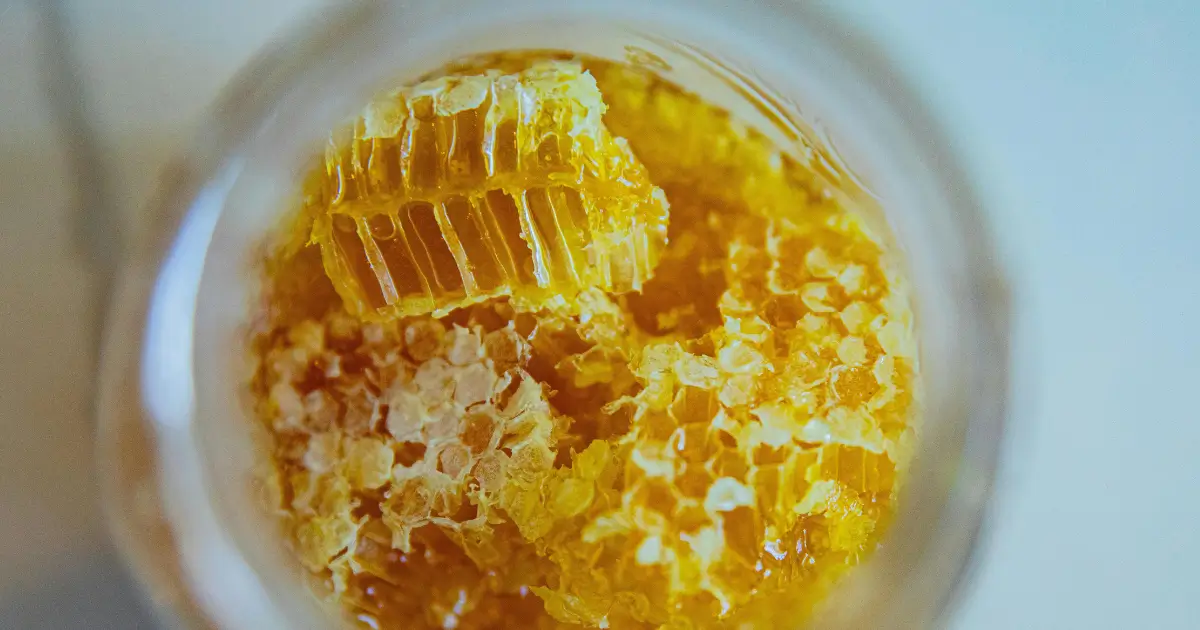
honey comb Why Home Cooks Love This 4-Ingredient Recipe
You probably remember the first time you tasted honey comb candy. That unmistakable crunch, the light airy bite, and the way it melted into caramel sweetness on your tongue. Maybe it came wrapped in wax paper from a local shop, or maybe it showed up crumbled over ice cream at a family gathering. Whatever the memory, honey comb has a way of sticking with you.
Now imagine creating that same magical candy in your own kitchen using only four everyday ingredients. No complicated techniques. No specialty tools. Just a saucepan, a few pantry staples, and a couple of minutes of focused attention.
This is exactly why home cooks everywhere fall in love with honey comb. It feels almost unbelievable that something so impressive can be so simple. Once you make it for the first time, you’ll wonder why you didn’t try sooner.
Let’s explore what honey comb candy really is, how it works, and why this 4-ingredient recipe continues to win over beginners and seasoned cooks alike.
Table of Contents
What Is Honey Comb Candy? A Beloved Classic Explained
Honey comb candy is a light, crunchy sugar confection filled with tiny air pockets that resemble a bee’s honeycomb. You may also hear it called sponge candy or cinder toffee, depending on where you live.
When you bite into honey comb, you experience:
- A crisp snap
- A hollow, airy interior
- A rich caramelized flavor
Despite its dramatic look, honey comb is one of the simplest candies you can make at home. The transformation from liquid sugar to bubbly candy happens right before your eyes, which makes the process almost as satisfying as eating the final result.
You can enjoy honey comb:
- On its own as candy
- Dipped in chocolate
- Crumbled over desserts
- Stirred into baked goods
Its versatility is another reason it remains a favorite among home cooks.
Why Home Cooks Love This 4-Ingredient Honey Comb Recipe
When you cook at home, you likely look for recipes that balance ease, affordability, and great results. This honey comb recipe checks all those boxes.
Here’s what makes it so appealing:
- Uses pantry staples
- Takes less than 15 minutes
- No baking required
- Easy to scale up or down
- Looks impressive with minimal effort
You don’t need professional training or expensive tools. If you can stir and watch a pot, you can make honey comb.
Many home cooks also love how forgiving this recipe is. Even if your candy isn’t picture-perfect, it will still taste delicious. That removes pressure and makes the experience enjoyable rather than stressful.
The 4 Simple Ingredients That Make Honey Comb Magic
One of the biggest reasons this recipe is so popular is its short ingredient list.
Ingredient Overview
| Ingredient | Purpose | Notes |
| Granulated Sugar | Main structure | White sugar works best |
| Honey or Golden Syrup | Flavor + color | Adds depth and richness |
| Baking Soda | Creates bubbles | Must be fresh |
| Water | Helps dissolve sugar | Small amount |
That’s it. No gelatin, no corn syrup (unless you choose to substitute), no stabilizers.
Why Each Ingredient Matters
- Sugar melts and caramelizes to form the candy base.
- Honey or golden syrup adds flavor complexity and helps prevent crystallization.
- Baking soda triggers the bubbly texture.
- Water ensures smooth melting before caramelization begins.
Together, these ingredients create a candy that feels far more complex than its short list suggests.
How Honey Comb Works: The Science Behind the Crunch
Understanding the science helps you feel more confident when making honey comb.
Here’s what happens:
- Sugar heats and melts.
- The mixture reaches caramel stage.
- Baking soda is added.
- Baking soda releases carbon dioxide gas.
- Gas expands inside the hot syrup.
- Candy sets with trapped air bubbles.
Those trapped bubbles become the honey comb structure you see once the candy cools.
A few important points:
- Temperature matters. Too low and bubbles won’t form properly.
- Timing matters. Baking soda must go in at the right moment.
- Speed matters. Once bubbly, you must pour quickly.
This quick chemical reaction is what makes honey comb feel almost magical.
Step-by-Step Overview of the Honey Comb Recipe
You’ll find detailed instructions in most recipes, but understanding the overall flow helps you stay relaxed during the process.
Basic Process
- Combine sugar, honey, and water in a saucepan.
- Heat gently until dissolved.
- Increase heat and cook until deep golden.
- Remove from heat.
- Stir in baking soda.
- Pour immediately into lined pan.
- Let cool completely.
- Break into pieces.
The entire cooking portion takes only a few minutes. Cooling usually takes about 30 minutes.
What to Watch For
- Color change from pale to amber
- Slight thickening
- Vigorous foaming after baking soda addition
When you see these signs, you’re on the right track.
Pro Tips for Perfect Honey Comb Every Time
Small adjustments make a big difference.
- Use a heavy-bottom saucepan for even heat
- Avoid stirring once the mixture starts boiling
- Keep baking soda measured and ready
- Work on a heatproof surface
- Line your pan with parchment paper
Optional but helpful:
- Candy thermometer (target around 300°F / 150°C)
- Silicone spatula
Also, try to make honey comb on a dry day. Humidity can soften the candy and reduce crunch.
Flavor Variations Home Cooks Love
Once you master the basic recipe, you can start experimenting.
Popular Flavor Add-Ins
Stir these in just before or after adding baking soda:
- Vanilla extract
- Cinnamon
- Espresso powder
- Orange or lemon zest
- Sea salt
Chocolate-Coated Honey Comb
Chocolate and honey comb are a classic pairing.
You can:
- Dip chunks halfway
- Drizzle melted chocolate over pieces
- Fully coat and let set
Dark chocolate adds bitterness. Milk chocolate adds creaminess. White chocolate adds sweetness. Choose what fits your taste.
Creative Ways to Use Honey Comb Candy
Honey comb doesn’t have to stay in candy form.
Try these ideas:
- Sprinkle over ice cream
- Top cupcakes or cakes
- Fold into cookie dough
- Mix into brownies
- Stir into whipped cream
- Package as homemade gifts
You can even crush honey comb and use it as a crunchy layer inside dessert bars.
Storage, Shelf Life, and Make-Ahead Tips
Honey comb is sensitive to moisture.
Best practices:
- Store in airtight container
- Keep at room temperature
- Avoid refrigeration
Shelf life:
- About 1–2 weeks if stored properly
If your honey comb becomes sticky, it has absorbed moisture. You can sometimes revive it by placing it in a low oven (around 200°F) for a few minutes, but prevention works best.
Common Mistakes and How to Avoid Them
Even simple recipes have potential pitfalls.
Burnt Sugar
- Use medium heat
- Watch color carefully
Flat Honey Comb
- Sugar wasn’t hot enough
- Baking soda was old
Bitter Flavor
- Sugar cooked too dark
Dense Texture
- Over-stirring after baking soda
Most issues are easy to fix once you know what caused them.
Honey Comb Nutrition Snapshot
Honey comb candy is primarily sugar-based.
General overview:
- High in carbohydrates
- Low in fat
- No protein
Think of honey comb as an occasional treat rather than an everyday snack. A small portion delivers big flavor.
Frequently Asked Questions About Honey Comb
What makes honey comb expand?
The baking soda reacts with the hot sugar and releases carbon dioxide gas, which forms bubbles.
Can you make honey comb without honey?
Yes. You can substitute golden syrup or light corn syrup.
Why did your honey comb collapse?
The sugar mixture likely wasn’t hot enough before adding baking soda.
How long does homemade honey comb last?
Up to two weeks in an airtight container.
Is honey comb hard or chewy?
Properly made honey comb should be light, crisp, and crunchy.
Why This Honey Comb Recipe Belongs in Your Kitchen
This 4-ingredient honey comb recipe proves that impressive desserts don’t need complicated steps or long shopping lists. You get fast results, dramatic visuals, and a treat that tastes far better than store-bought versions.
Once you make it, you gain:
- A reliable candy recipe
- A crowd-pleasing dessert option
- A foundation for endless variations
Most importantly, you gain confidence. Watching sugar transform into honey comb reminds you that cooking can be simple, playful, and rewarding.
Ready to Try It Yourself?
Gather your four ingredients, clear a little counter space, and give this honey comb recipe a try today. Once you hear that first crunch, you’ll understand why home cooks everywhere keep coming back to it.
If you loved this guide, share it with a fellow home cook, bookmark it for later, and let us know how your honey comb turned out. Your next favorite dessert might be only minutes away.